Healthy landscapes are built layer by layer. Good design gets a garden started, but it is the steady work with soil and organic matter that keeps it thriving. The three materials professionals reach for most often are topsoil, compost, and mulch. They are related, sometimes confused, and each plays a distinct role. Get them right and lawns stay greener longer, beds resist drought, and plants shrug off stress. Get them wrong and you invite weeds, nutrient imbalances, and expensive do-overs.
This guide draws on practical experience from job sites large and small, from renovating compacted suburban yards to maintaining estate gardens where presentation standards are unforgiving. Whether you run a landscaping company, rely on a landscaping service for seasonal care, or handle your own garden landscaping, understanding these materials will help you spend money in the right places and avoid common pitfalls.
What topsoil really is, and why the source matters
Topsoil is the uppermost layer of native soil, typically the top 5 to 12 inches. It contains mineral particles, organic matter, and a living community of microbes. In theory, it is the natural growing medium. In practice, the bag or truckload labeled “topsoil” may be a blend of sand, silt, clay, compost, and screened fill harvested from construction sites. I have seen topsoil deliveries that were nearly beach sand, and others so heavy with clay that a shovel bounced off.
Ask suppliers about three specifics: texture, organic matter content, and screening. Texture describes the ratio of sand, silt, and clay. A loam, which gardeners prize, falls around 40 percent sand, 40 percent silt, 20 percent clay. You will rarely get that perfect mix, but you want something that forms a weak ribbon when squeezed, then crumbles with a flick of the thumb. Too sandy and it drains like a sieve; too clayey and it holds water like a bucket. Organic matter content between 3 and 6 percent supports biology without tipping into spongy, unstable soil. Screening removes stones and debris. Half-inch screening is a common sweet spot for lawn work, finer for topdressing athletic fields or high-visibility lawns.
Avoid “manufactured topsoil” that relies on raw wood fines for volume. Those fines can tie up nitrogen as they decompose, leaving new plantings yellow and stressed. If your landscape maintenance services include seasonal aeration and topdressing, a consistent, tested topsoil source saves headaches for years.
Where topsoil fits in the landscape
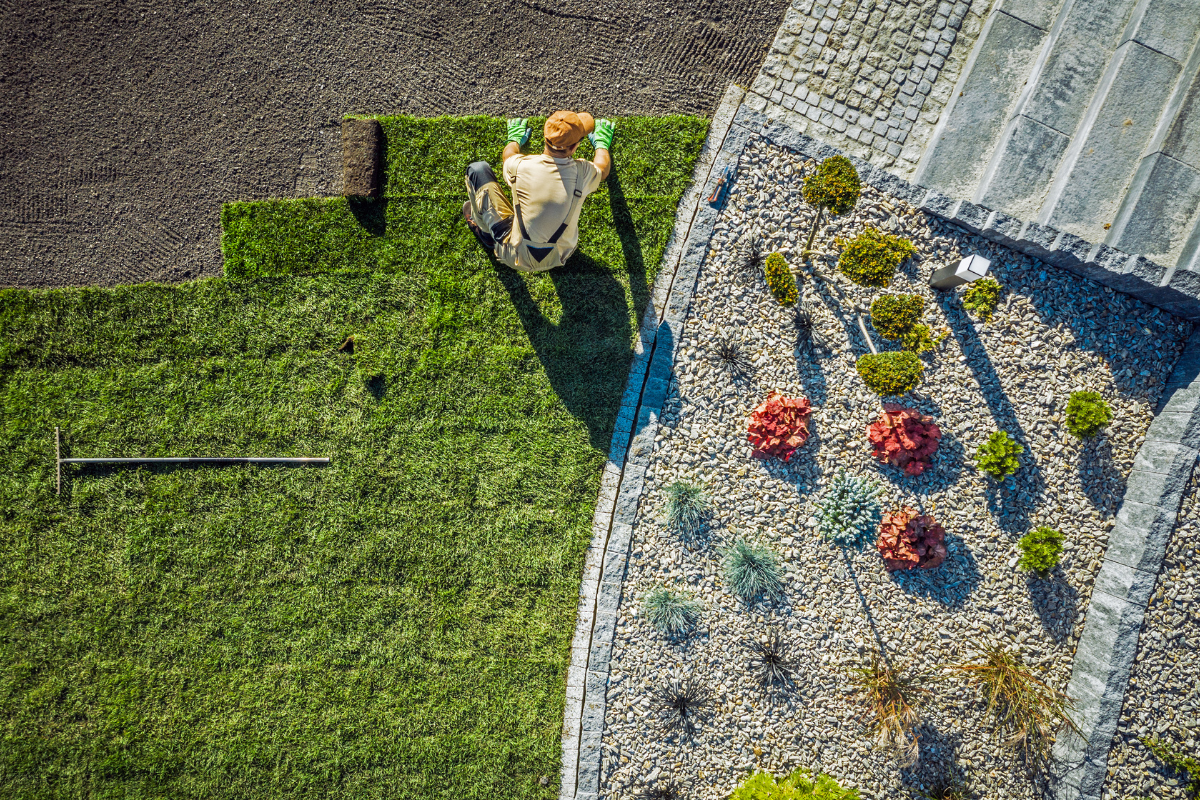
Use topsoil to establish grade, repair low spots, and create a consistent planting medium in new beds and lawns. For a turf renovation, lay 2 to 3 inches of quality topsoil over graded subsoil, then blend the interface lightly with a rake so water does not perch at the boundary. In planting beds, I prefer to avoid deep layers of imported topsoil over native soil. A thick layer of one material over another can behave like a sponge on a plate, stopping water at the junction. Instead, loosen native soil 8 to 10 inches, mix in compost, and only use topsoil to even the surface or correct patchy areas.
On a recent residential project with heavy clay subsoil, the builder stripped the topsoil during construction and never returned it. The homeowner called our landscaping service, frustrated that water pooled after every rain. We regraded with a gentle slope away from the foundation, then brought in 30 cubic yards of a sandy loam topsoil to rebuild the top 3 inches across 10,000 square feet. The lawn went from puddled to playable, simply because the top layer could breathe and drain.
Compost as the engine of soil life
If topsoil is the stage, compost is the energy source. Compost supports the microbial processes that build aggregate structure, release nutrients gently, and buffer pH. Quality varies widely. Good compost smells earthy, not sharp or sour. It is dark, crumbly, and cool to the touch. You should be able to distinguish very few original feedstock pieces. Immature compost is still hot, may reheat in a pile, and can burn tender roots or seeds.
For most garden landscaping work, compost made from yard waste, leaves, and food scraps works well. Manure-based compost is nutrient dense and can be excellent when properly matured, but it is easy to overapply and raise salt levels, which stresses many ornamentals. Biosolids compost is legal and useful in some regions, but not my first choice for edible beds due to client preferences and regulatory nuances.
How much compost to use
Think in terms of percentages rather than raw inches. To amend a new planting bed, aim for compost making up 20 to 30 percent of the top 8 to 12 inches by volume. If you are working on a 200 square foot bed to a depth of 8 inches, that is about 133 cubic feet of soil. Thirty percent of that is roughly 40 cubic feet, or about 1.5 cubic yards of compost. For an established lawn, topdress with a quarter inch after core aeration, once a year or every other year depending on traffic and soil health. That rate feeds soil biology without smothering the turf.
I have watched crews dump 6 inches of compost onto clay thinking more is better. The result is a sponge layer that squishes underfoot and suffocates roots in wet stretches. Deep compost layers also shrink as they decompose, throwing off grade against edging or hardscape. Use compost to enrich soil, not to build depth.
The microbial perspective
Clients often ask why a lawn looks better after topdressing with compost even when fertilizer rates remain the same. The answer is microbial diversity and structure. Compost introduces bacteria, fungi, and beneficial nematodes that help cycle nutrients. It also fosters glomalin production from mycorrhizal fungi, the sticky substance that helps soil particles clump. Those stable aggregates hold water like a wrung-out sponge, leaving enough pore space for air. In a drought summer two years ago, two neighboring lawns on the same street told the story. The one that had received annual compost topdressing stayed green for an extra two weeks between irrigations, then recovered faster in September rains. Soil tests showed similar nutrient levels, but infiltration and organic matter differed.
Mulch: shield, thermostat, and weed deterrent
Mulch sits on top, not in the soil. It protects. Properly used, mulch moderates temperature swings, reduces evaporation, suppresses weeds, and adds a slow trickle of organic matter as it breaks down. The mulch aisle, however, is full of traps. Dyed mulches can look crisp in the truck and scary plastic-like after one season. Fresh wood chip mulches can lock up nitrogen at the surface and stunt shallow-rooted perennials. Stone mulches shine in hot, dry designs but bake plants that prefer cool feet.
For most ornamental beds, double-shredded hardwood mulch that has aged for at least six months is the safe workhorse. It knits together on slopes better than bark nuggets and does not float away as readily in heavy rain. Pine straw is excellent around acid-loving shrubs and in regions where it is abundant. Arborist wood chips, a mix of leaves, twigs, and wood, make outstanding mulch around trees and shrubs if you can live with the informal look. They decompose slowly and feed fungi that trees like.
Application depth and timing
Two to three inches is the range I use 90 percent of the time. Go thinner in heavy shade where soil stays moist, thicker in hot, windy exposures. Add mulch after soil has warmed in spring so you do not trap cold in the ground. If you refresh annually, do not mindlessly add a new two inches. Check with your hand. If there is an honest inch left from last year, a one-inch top-up brings you back to target. Over time, layers can build to five or six inches, suffocating crown tissues at the base of shrubs and creating a hydrophobic cap that sheds water like shingles. I walked a commercial site with a property manager who complained about summer shrub decline. We probed and found mulch piled 7 inches deep against stems, some trunks girdled by old edging buried by years of top-ups. We removed two pickups worth of excess mulch from a single courtyard, opened the flares, and the shrubs flushed new growth within weeks.
Weed control without the scorched-earth approach
Mulch is not a herbicide. It suppresses weeds primarily by limiting light and buffering temperature swings that trigger germination. A thick layer of mulch over a carpet of established perennial weeds will not solve the problem. If a bed is infested with mugwort or bindweed, first address the roots with careful excavation, smothering with a light-exclusion fabric for a season, or a targeted herbicide program depending on the site and your practices. Then apply mulch. In clean beds, a spring mulch with spot hand weeding through the season keeps labor manageable. If you are a landscaping company maintaining multiple properties, track the square footage and weed pressure tiers. Sites with high seed pressure near unmanaged woodland edges need more frequent mulching and touchups around path edges where wind pushes seeds.
How these materials interact in practice
The temptation is to think topsoil for structure, compost for nutrients, mulch for cover, and to keep the categories separate. Reality is a little messier and more interesting. Compost becomes part of the topsoil as it is blended. Mulch decomposes and feeds the topsoil slowly. Topdressing lawns with a compost-topsoil blend after aeration is often more effective than pure compost because the mineral fraction keeps the material from matting on the surface.
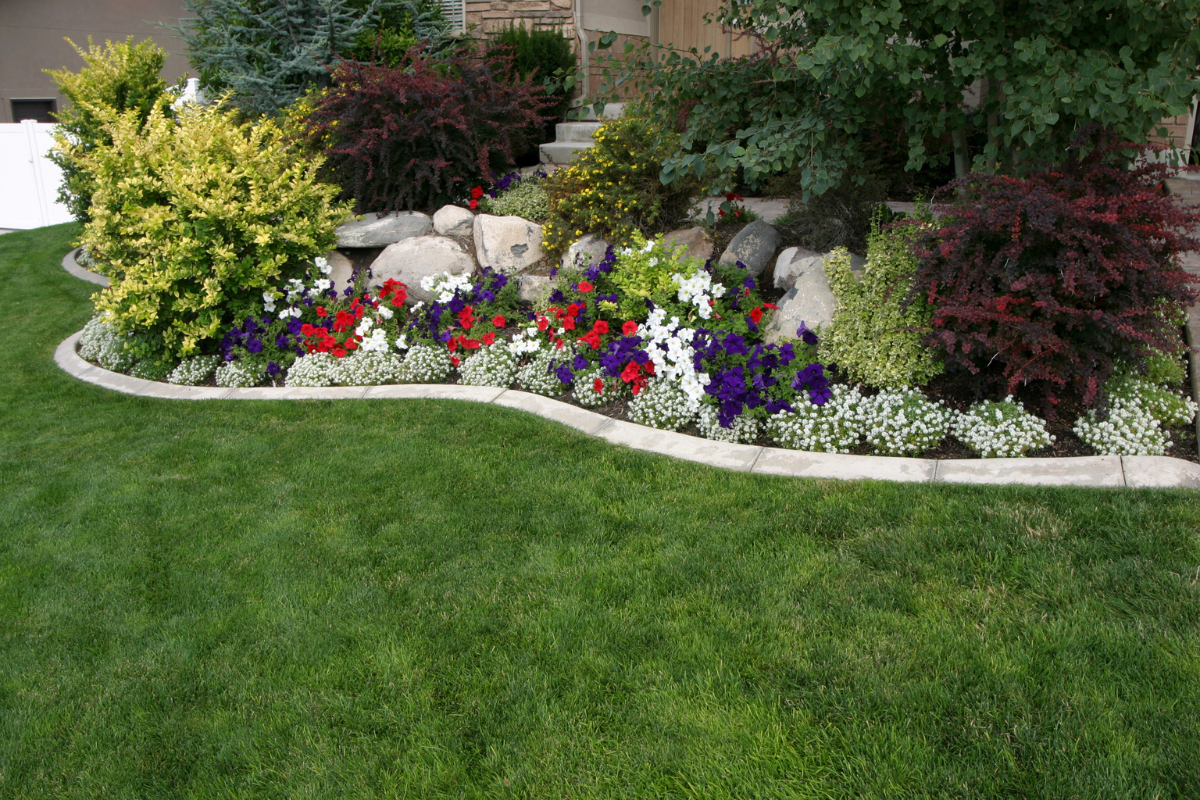
I use a 70 percent screened sandy loam and 30 percent compost blend for lawn topdressing in spring. The sand component keeps the material moving into aeration holes, especially on fields and high-use lawns with thatch. For ornamental beds, I rarely mix topsoil into the upper layer once plants are established. Instead, I apply a one-inch layer of compost in late fall or early spring, then mulch over the top. The compost contacts the soil, the mulch protects it, and worms do the mixing for free.
A practical sequence for new beds and lawn renovation
- Strip debris and poor fill, set subgrade for drainage, and loosen native soil to relieve compaction. Amend in compost to reach roughly 20 to 30 percent organic matter by volume in the top 8 to 12 inches, judging by the starting soil. For lawns, add 2 to 3 inches of quality topsoil, blend lightly into the blend zone, seed or sod, then roll and water. For beds, settle the grade, plant, water, then mulch 2 to 3 inches, keeping mulch off stems. Schedule maintenance: for turf, core aeration and a quarter-inch compost-topsoil topdressing annually or biennially; for beds, a one-inch compost tickle every 1 to 2 years under the mulch, and mulch refresh as needed.
Water management is the thread that ties it all together
Soil work looks like a fertility conversation, but the best landscape design services plan it as a water conversation. How fast does water infiltrate? How long does it stay? Where does it go when there is too much of it? Organic matter increases water holding capacity, but there is a tipping point where heavy soils become waterlogged. In sandy soils, a little compost goes a long way in reducing irrigation needs. In fine-textured soils, the priority is structure. Think pores first, nutrients second.
On a townhouse block where downspouts discharge into small front yards, we used a layered approach. We loosened subsoil to 10 inches, added 25 percent compost by volume, and shaped a subtle basin in each bed. We used double-shredded mulch to slow surface flow and planted deep-rooted perennials like Echinacea and Panicum that punch channels into the soil over time. Runoff that used to spill across the sidewalk now vanishes into the beds during 1-inch rain events. The city reduced fines for sidewalk icing because those patches stopped forming in winter.
Regional nuance and how to adjust
No single recipe fits every site. In arid climates, organic mulches can be both a boon and a liability. They conserve moisture, but they can also provide cover for pests like termites near structures and can blow in frequent wind. Stone mulch is common in xeric designs, but it raises surface temperatures and should be kept well away from delicate perennials. In humid, warm regions, fresh mulches can grow artillery fungus, which shoots tar-like spores onto siding. Aged mulches and avoiding thick reapplications near walls help.
Soils vary wildly even within a neighborhood. A new subdivision scraped to subsoil behaves nothing like an older property with decades of leaf litter. For lawn care on new builds, I expect to need more compost and to be gentle with nitrogen for the first two seasons. Grass roots simply cannot penetrate compacted subsoil until structure increases. For mature properties, I scale back compost and focus on maintaining mulch thickness and relieving compaction where foot traffic is heavy, such as near gates and along grill patios.
Common mistakes and how to spot them early
Overmulching around tree trunks remains the most damaging, most common error. Volcano mulching invites rot, girdling, and shallow roots that topple in storms. Keep mulch 3 to 6 inches back from trunks, expose the root flare, and maintain a donut, not a volcano. Another mistake is treating compost as fertilizer. Compost carries nutrients, but it is not a quick fix for a pale lawn. If you have a nitrogen deficiency, a targeted fertilizer application paired with compost topdressing does more than compost alone.
Beware of contaminated materials. Herbicide carryover from hay or grass clippings used in compost can stunt tomatoes, beans, and ornamentals. If a supplier cannot verify feedstock, test a small batch in pots with sensitive plants before spreading across an edible garden. Salty composts show up as leaf burn at edges and stunted growth. If in doubt, send a sample to a reputable lab for soluble salt and https://josuegykz968.lucialpiazzale.com/vertical-gardens-space-saving-garden-landscaping-ideas pH testing. The cost is modest compared to a failed season.
I once evaluated a bed where hydrangeas refused to bloom. The client had been told to add more compost every year. We dug a test hole and found a 12-inch layer of spongy material over native loam. Roots were circling at the top, never diving. We removed half the compost, mixed the remainder into the underlying soil, and mulched lightly. The next year, the plants set buds across every cane. The fix was not more food, it was structure and oxygen.
Sourcing, testing, and verifying materials
Not all suppliers are equal, and consistency matters. For recurring maintenance accounts, lock in relationships with vendors who provide spec sheets and are willing to show you the pile. If you run a landscaping company, share those specs with your crews. They should know what screened means and how to reject a load that looks off. If the material arrives wet and clumpy, flip the top layer with a loader and rescreen if possible. Wet loads are common in spring, and you can build a day of drying time into the schedule rather than installing a mud pie.
Basic soil tests guide decisions, especially when you inherit a property. For turf, test every two to three years in the same month to track trends. For beds, test when plants show symptoms or when you make a major change. Compost can be tested too. Ask for maturity indicators, electrical conductivity, and nutrient profile. A stable compost will not reheat after turning and will have a carbon to nitrogen ratio in the neighborhood of 10:1 to 20:1. Ratios far higher break down slowly and can tie up nitrogen; ratios far lower can smell and burn.
Cost, value, and where to invest
Budgets are real. On tight projects, I put money into compost first, then mulch, then topsoil, unless grade correction is needed. Compost drives long-term improvements and reduces fertilizer and irrigation needs. Mulch protects that investment. Topsoil is expensive to haul and spread; use it strategically where the native soil is truly inadequate or where you must build grade.
For a 5,000 square foot lawn, a quarter-inch topdressing is roughly 10 cubic yards. If a bulk blended compost-topsoil product runs 40 to 60 dollars per yard in your region, the material cost is 400 to 600 dollars, plus labor and delivery. Compare that to the cost of a full reseed after summer stress or the soft cost of callbacks. The numbers usually favor proactive care. If you rely on a landscaping service, ask them to show the math on volumes and rates. Clear estimates save disputes when the final invoice arrives.
How this plays out in lawn care across a season
Spring is about establishing a clean slate. Aerate compacted turf, especially where plows piled snow, and topdress lightly with a compost-topsoil blend. Seed bare patches, adjust sprinklers, and set mowing heights at 3 to 3.5 inches to shade soil. Early spring is also the window to edge beds cleanly before mulching so the mulch has a lip to sit against.
Summer is about water discipline. Deep, infrequent irrigation encourages roots to go down. Mulch in beds reduces evaporative loss. Avoid heavy compost additions when soil temperatures are high, which can encourage rapid microbial burnoff without gains in structure. On high-visibility properties, a mid-summer mulch touchup along paths can keep the presentation crisp without re-mulching entire beds.
Fall is the best time to feed soil biology in many climates. Soil is warm, air is cool, and plants are storing energy. Apply a one-inch layer of compost in beds, then a fresh blanket of mulch where it has thinned. On lawns, overseed after aeration, then drag in a light dressing to cover seed. Leaves are free mulch. Shred them into the lawn with a mower or collect and compost them for spring use. A landscape maintenance services plan that treats fall as the main soil-building season often produces the best-looking spring.
Winter is a time to evaluate. Walk the property after a rain. Where does water sit? Where does mulch wash? Make notes for grade tweaks and choose mulch types accordingly. Hardscape edges show failures clearly, and it is easier to fix them before the next busy season than during it.
When to call in professional help
Do-it-yourself care covers a lot of ground, but some situations benefit from professional testing and equipment. If water sheets off beds despite compost and mulch, a soil consultant can evaluate infiltration rates and clay dispersion. If your lawn looks striped or patchy despite careful feeding, a professional aerator with hollow tines and a topdresser can correct compaction more thoroughly than rental-grade machines. If you manage commercial properties where appearance standards tie to tenant contracts, a landscaping service with documented processes for materials sourcing, weather adjustments, and crew training is worth the premium. Look for companies that can explain not just what they do, but why, using site-specific reasoning rather than generic pitches.
Quick reference: choosing and using each material
- Topsoil: use to correct grade and build a consistent planting layer, verify texture and screening, avoid wood-heavy blends that steal nitrogen. Compost: use to enrich and structure soil, apply 20 to 30 percent by volume in new beds, and a quarter inch on lawns after aeration, insist on mature, stable product. Mulch: use to protect soil and suppress weeds, apply 2 to 3 inches, pull back from trunks and crowns, choose type based on slope, wind, and plant palette.
Final thought from the field
Landscapes are resilient when their soils are balanced. A client once asked why our estimate included compost and mulch when they only saw grass and shrubs. I walked them to the nearest bed and scraped back the surface. Under the mulch lay a dark, crumbly layer shot through with fungal threads, and beneath that a loam that held together loosely, then broke apart in my hand. I handed them the clod. This is what we are selling, I said. Not just what you see on top, but what makes it possible. When you invest in topsoil, compost, and mulch with intention, you are not paying for heaps of brown material. You are building a living system that makes the rest of your landscaping work easier, more reliable, and more beautiful.
Landscape Improvements Inc
Address: 1880 N Orange Blossom Trl, Orlando, FL 32804
Phone: (407) 426-9798
Website: https://landscapeimprove.com/